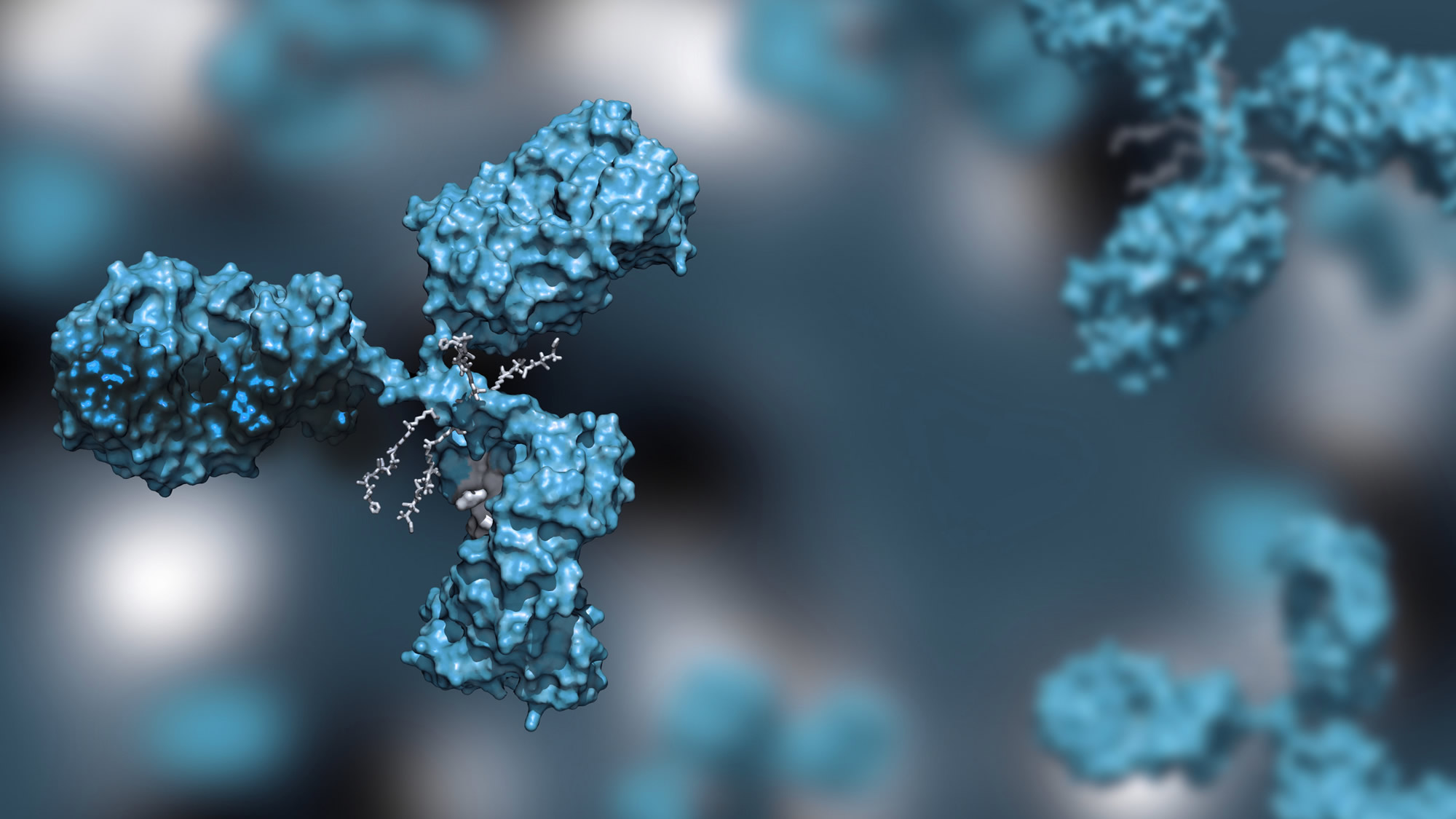
Compound Characterization Services by HDX
Talk to Our Scientists
"*" indicates required fields
Why Choose CovalX’s Compound Binding Characterization Services?
CovalX analyzes compound and ligand binding using mass spectrometry and hydrogen/deuterium exchange (HDX-MS). Our team has a unique experience in HDX-MS and delivers results within a strict timeline.
At CovalX, the compound binding analysis goes beyond the screening analysis provided by a typical ligand binding assay (LBA). LBAs rely on fluorescence, electrochemical or radioactive detection. They detect whether a complex forms and, in some cases, measure its affinity. HDX-MS provides complementary information: it localizes the binding pocket on the target protein and identifies the conformational changes induced by the compound, including allosteric effects at distant regions.
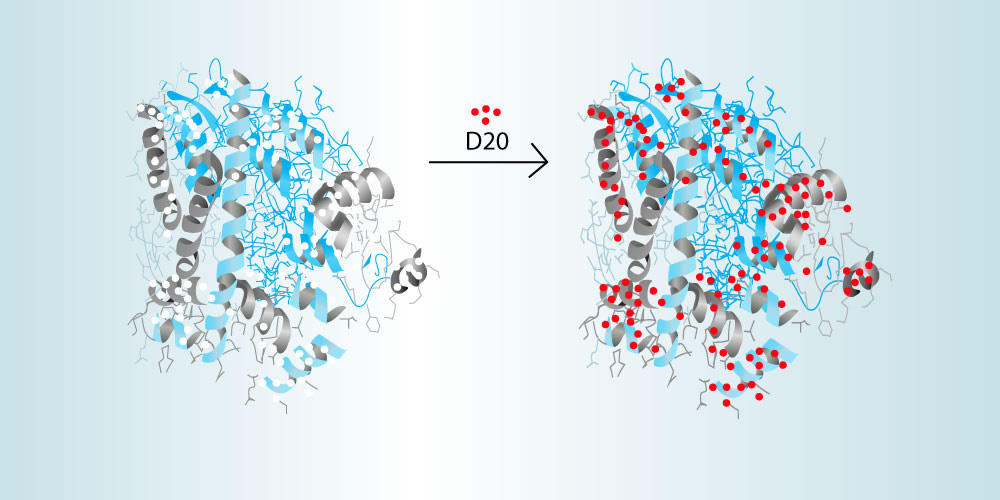
Hydrogen/deuterium exchange coupled with mass spectrometry (HDX-MS) is used in the development of both small molecule therapeutics and biopharmaceuticals. The technique has been applied to the study of ligand binding for more than 25 years. A 2014 review describes the specific advantages of HDX-MS for characterizing small molecule interactions with their protein targets (HDX-MS guided drug discovery: small molecules and biopharmaceuticals).
HDX-MS applies to conformational (discontinuous) epitopes as well as linear binding sites. The analysis directly detects the interaction sites between molecules and the allosteric changes induced in the target protein. The interaction is analyzed in solution, under native conditions, with the accuracy of mass spectrometry.
CovalX uses current mass spectrometry instrumentation, automated HDX-MS robotics and dedicated software to characterize compound binding and the conformational changes it induces in the target protein.
CovalX Compound Characterization by HDX-MS Step by Step
HDX-MS has been used for decades in academic research and in the in-house laboratories of large pharmaceutical companies. Developments in automated sample handling, robotics and data analysis software have since reduced turnaround times and the amount of protein required per experiment. HDX-MS is now also accessible as a routine service.
HDX-MS provides information on binding location and on the conformational dynamics of the protein upon compound binding. Biophysical methods such as SPR measure affinity and kinetics but do not localize the binding site.
HDX-MS results depend on sample quality. Before analysis, CovalX analyzes the intact protein by high-mass MALDI to verify its oligomeric state and detect aggregation, since aggregates or multimers in the sample would affect the results.
Step 1: Initial Sample Screening
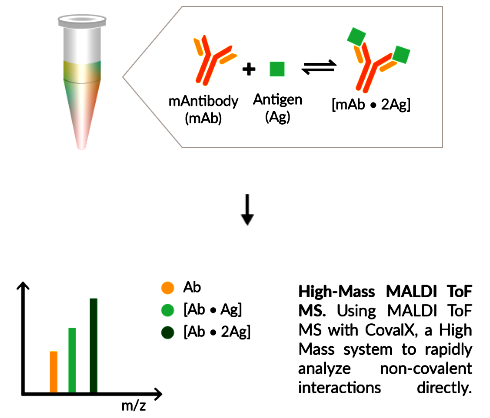
Before the high-resolution analysis of the binding sites begins, CovalX first performs High-Mass MALDI analysis on the intact target proteins. This initial screening utilizes CovalX exclusive High-Mass MALDI detections systems for intact interaction analysis to ensure that the HDX-MS experiment is performed on characterized and controlled proteins.
This analysis is unique to CovalX services. The goal is to verify:
- The integrity of both the antibody and the antigen
- The possible aggregation of the antibody
- The possible multimerization of the antigen
- The stoichiometry of the intact antibody/antigen complexes
Step 2: Hydrogen Deuterium eXchange (HDX-MS)
When diluted in heavy water (D2O), backbone hydrogens of amino acids exchange with deuterium at varying kinetic rates depending upon their hydrogen bonding and solvent accessibility. When the antigen is complexed with the antibody, this deuterium uptake rate is altered in the epitope regions. These differences can be measured accurately at various time points.
After initial screening, the unbound antigen and the antibody-antigen complex are diluted in a D2O solution.
At various time points, the Deuterium/Hydrogen exchange is quenched at 0°C and pH 2.5.
The protein samples are then digested into peptides using appropriate proteolytic digestion.
The resulting peptides are then directly injected for microflow LC-MS/MS detection.
From the peptide mass fingerprints (PMF), deuterium exchange rate heat maps can be compared between the antigen alone or the antigen with antibody binding.


Step 3: Data Analysis and Reporting
Finally, the data is analysed using the latest software packages with full report generation using easy to understand HDX-MS heat map descriptions and personal result presentation.

Why is CovalX’s Compound Characterization Services the Best Option?
| Expertise | Experienced HDX-MS team servicing the industry for more than 25 years. |
|---|---|
| Latest Equipment | CovalX has the latest HDX-MS robotics coupled to the mass spectrometer. CovalX owns fully dedicated HDX-MS instrumentation. |
| Quality Work | Advanced initial intact screening of proteins provides the most reliable rate of success. |
| Efficient processing is conducted using its design of experiment (DOE) software. | |
| Affordable | Competitive cost compared with other technologies. |
| Latest Software | CovalX utilizes third-party software in combination with proprietary home-built software for data analysis. |
| Fast Turnaround | Three to four weeks delivery time depending on the size of the project |
Timeline, Sample Requirements and Resolution
- Sample Consumption: 450 µg of target protein.
- Resolution down to 4-8 amino acids (depending on PMF).
- Timeline: 3-4 Weeks depending on number of compounds.
- Applicable for most therapeutic proteins.
- No need for recombinant protein work, peptide synthesis, micro-array.
- Cost: CovalX offers the lowest cost available for HDX analysis.
Related Services that CovalX HDX-MS provide
Download supporting materials
 Hydrogen Deuterium eXchange Mass Spectrometry Services (HDX-MS)
For example patents, publications, or comparison data please see our library or contact us directly.