
Immunoprecipitation Mass Spectrometry (IP-MS)
Talk to our Scientists
"*" indicates required fields
Immunoprecipitation Mass Spectrometry (IP-MS)
IP-MS, Immunoprecipitation Mass Spectrometry, identifies which proteins a drug candidate or target actually engages inside a cell protein extract, beyond the intended binding partner. Purified-system binding data misses off-target interactions, complex partners, and pathway-level effects that only occur in a native cellular context.
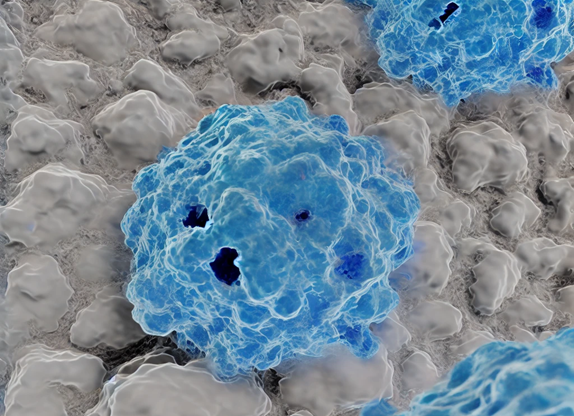 IPMS CovalX offers immunoprecipitation mass spectrometry (IP-MS) services to support target identification and protein interaction analysis in drug discovery programs.
 CovalX applies IP-MS to support target identification, mechanism-of-action studies, and biomarker discovery programs. The method combines an antibody-based pulldown with high-resolution mass spectrometry to generate protein-protein interaction analysis directly from cell lysate, at the stage where a project needs experimental evidence of binding partners rather than predicted ones.
How IP-MS works

Immunoprecipitation mass spectrometry (IP-MS) proceeds in four stages.
-
Cell lysis and sample preparation:
Samples are received either as intact cells or as pre-prepared protein extracts, depending on the project.
-
Binding:
The drug candidate is mixed with the extract so it can bind its target and any associated protein complexes.
-
Immunoprecipitation:
The resulting complexes are pulled down using antibody-coupled beads and washed to remove non-specifically bound proteins.
-
Digestion and LC-MS/MS analysis:
The purified material is digested by in-gel proteolysis, separated by nano-flow liquid chromatography, and analyzed by high-resolution tandem mass spectrometry (MS/MS). Bioinformatic analysis of the resulting spectra identifies the protein or proteins co-purifying with the drug candidate.
Application of IP-MS in Drug Discovery
 IPMS Abstract digital rendering of interconnected molecular nodes representing complex protein-protein interaction networks. The image illustrates the systems-level view of cellular signaling relevant to target identification, disease mechanism analysis, and biomarker discovery -- core applications addressed by mass spectrometry-based proteomics approaches including IP-MS.
 - Target identification and validation:
IP-MS detects and characterizes candidate drug targets directly from cellular material, confirming which proteins a drug candidate engages before further investment in a discovery program. - Disease mechanism elucidation:
IP-MS provides insights into the molecular mechanisms underlying diseases by revealing how proteins interact and function within cellular networks. This understanding is crucial for developing drugs that can effectively modulate these pathways. - Biomarker Discovery:
IP-MS enables the discovery and validation of biomarkers by identifying proteins that are differentially expressed or modified in disease states. These biomarkers can then be used to stratify patients, tailor treatments, and improve clinical outcomes.
IP-MS Deliverables and Report Structure
| Protein interaction list | Proteins identified as co-purifying with the drug candidate or bait protein, delivered as a data table with relative quantification for each immunoprecipitation performed, and annotated with the peptide-level MS/MS evidence supporting each identification. |
|---|---|
| Chromatogram and ion trace | LC-MS/MS chromatogram and total ion trace for each digested sample, included as supporting data for the protein identification results. |
| Full analytical report | Written report covering experimental design, instrumentation parameters, and interpretation of the identified interactors. |
Want to know more?
Our team will help you design your experiment
Technical Notes
CovalX runs IP-MS on high-resolution nano-flow LC-MS/MS instrumentation. Immunoprecipitation is performed using antibody-coupled beads, with a washing step to remove non-specifically bound proteins before elution. Purified protein complexes are digested by in-gel proteolysis prior to LC-MS/MS analysis. Data analysis is performed using dedicated bioinformatics software to assign identified peptides to their parent proteins.
Cell line selection, antibody format, and buffer compatibility are discussed at project setup.
Regulatory Context
IP-MS generates target engagement and mechanism-of-action data at the discovery stage, when a program still needs experimental evidence to justify candidate selection. This data feeds directly into the scientific rationale sections of later regulatory submissions, supporting the mechanistic narrative around target biology and pathway involvement that reviewers expect to see documented. For programs advancing toward IND, having this evidence generated early and traceable to a defined analytical workflow strengthens the scientific case built around the selected target.
Frequently Asked Questions
What does IP-MS measure?
IP-MS identifies proteins that co-purify with a drug candidate or antibody bait from a cell lysate. Immunoprecipitation isolates the complex, and high-resolution mass spectrometry identifies its protein components.
What are the sample requirements for an IP-MS project?
Sample requirements depend on the cell line, antibody format, and expected target abundance. Samples are typically supplied as cell pellets or lysates in a compatible buffer such as PBS, with the bait protein or antibody available in the microgram range. Exact quantities are confirmed at project setup.
What are the deliverables from an IP-MS project?
Clients receive a protein interaction list with relative quantification, an SDS-PAGE gel image confirming pulldown efficiency, LC-MS chromatograms for each sample, and a full analytical report covering experimental design and data interpretation.
Which stage of drug development uses IP-MS?
IP-MS is applied at the target identification and validation stage of drug discovery, ahead of formal analytical characterization of a selected candidate.